

 0
0

The Basics of Psoriasis
Psoriasis is more than just a skin condition — it’s a chronic, immune-driven disorder that affects millions of people worldwide. Understanding what it is, why it happens, and how to manage it can make a significant difference in living comfortably and confidently with psoriasis.
What Is Psoriasis?
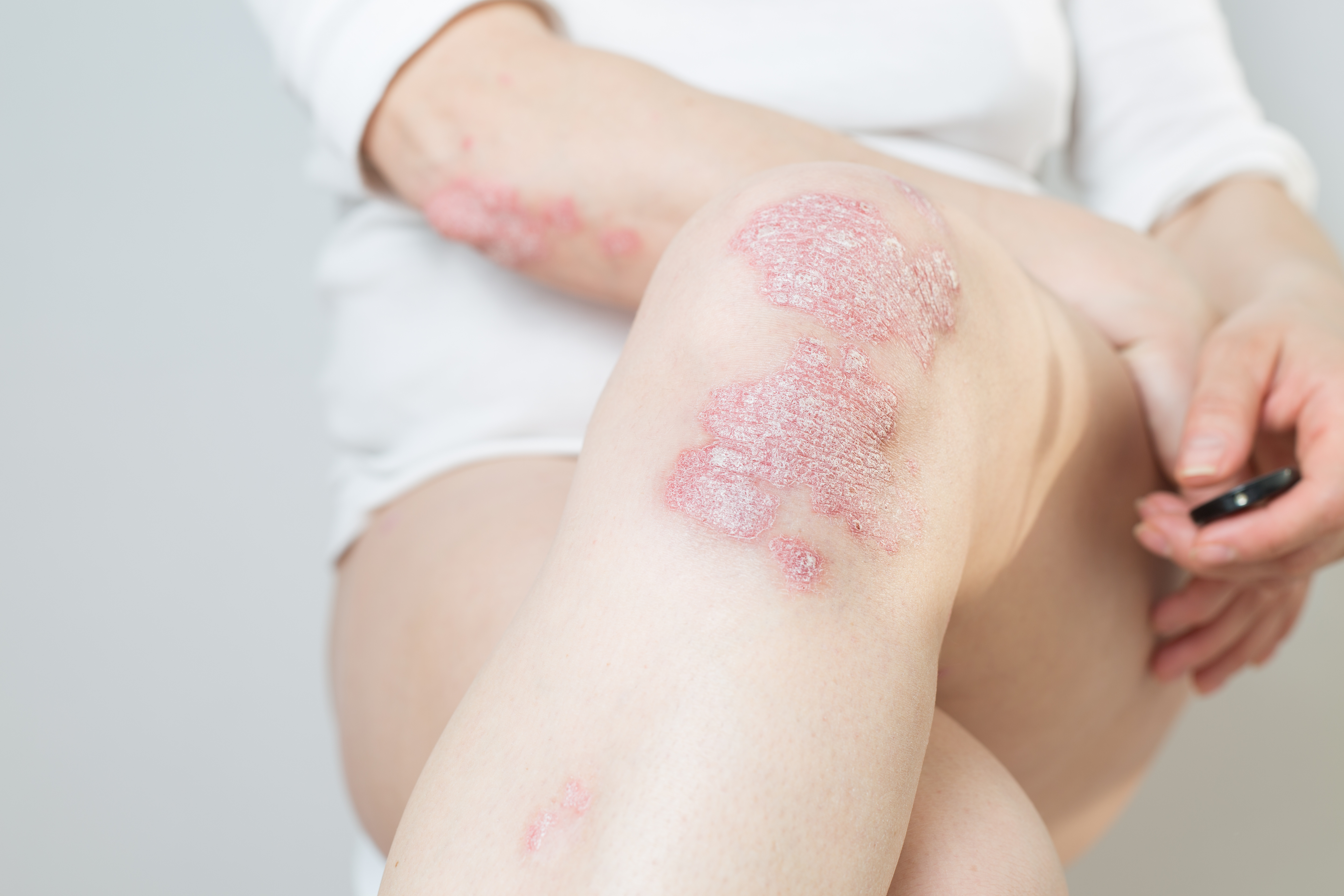
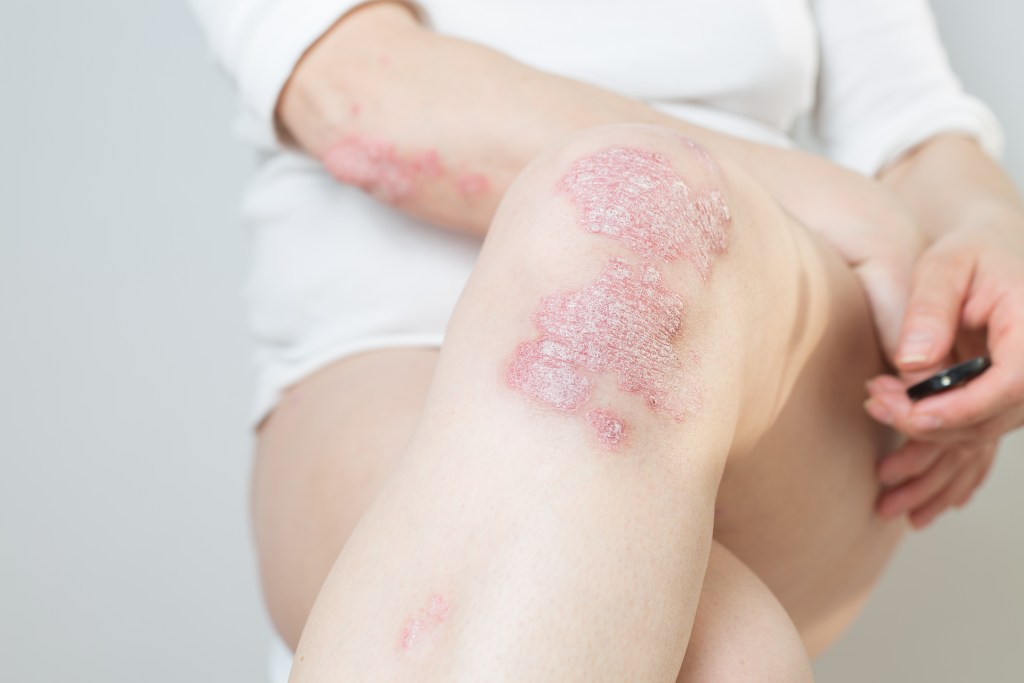
Psoriasis is a long-term inflammatory skin condition that causes red, scaly patches known as plaques. These plaques can appear anywhere on the body but are most common on the scalp, elbows, knees, and trunk. While psoriasis is not contagious, it often follows a pattern of flare-ups and remissions, meaning symptoms can come and go over time.
Who Gets Psoriasis?
Psoriasis affects about 2% of people across all genders and ethnicities. It often begins between the ages of 15–25 or 50–60 and can run in families — around one-third of people with psoriasis have a relative who also has the condition. Although anyone can develop psoriasis, genetics and environmental factors both play a role in determining who is affected.
What Causes Psoriasis?
Psoriasis often runs in families. A person has a higher risk if a parent, grandparent, or sibling has the condition. It is not contagious—no one can catch it from touching, swimming with, or having sex with someone who has psoriasis.
Scientists know that both the immune system and genetics contribute. In psoriasis, T-cells mistakenly attack the skin, causing the body to make new skin cells too quickly. These extra cells build up on the surface and form psoriasis plaques. Once this immune response starts, it usually continues lifelong, though some children with guttate psoriasis may never have another episode.
Genetically, certain genes increase the likelihood of developing psoriasis. However, some people without these genes still get psoriasis, while others with the genes never develop it. This suggests a trigger must occur before psoriasis appears.
Common Triggers
- Infections, especially strep throat
- Stress
- Skin injury or sunburn
- Certain medications (such as beta-blockers or lithium)
- Smoking, heavy alcohol use, or obesity
Identifying and managing these triggers can help reduce flare-ups and improve skin health.
What Are the Symptoms?
Psoriasis symptoms vary from person to person but often include:
- Red, raised, scaly patches that may itch or crack
- Dryness or soreness, especially on the palms and soles
- Nail changes, such as pitting or discoloration
- Joint pain or stiffness (psoriatic arthritis)
When plaques heal, they may leave lighter or darker marks that gradually fade over time.
Other Health Conditions Linked to Psoriasis
Psoriasis is more than a skin condition — it’s linked to several other health issues. People with psoriasis have a higher risk of developing:
- Psoriatic arthritis (joint pain or stiffness)
- Heart disease, high blood pressure, and diabetes
- Depression or anxiety
Adopting healthy habits such as not smoking, limiting alcohol, eating a balanced diet, and staying active can help reduce these risks and improve overall well-being.
How Is Psoriasis Treated?
Treatment depends on the severity of the condition and how much it affects daily life. Options range from topical creams to advanced biologic therapies.
1. Topical treatments (for mild psoriasis)
- Vitamin D creams (calcipotriol)
- Topical steroids
- Combination creams (e.g., calcipotriol/betamethasone)
- Topical roflumilast and tapinarof creams
2. Phototherapy (light treatment)
- Controlled ultraviolet (UV) light exposure can reduce inflammation in the skin
3. Systemic and biologic medicines (for moderate to severe psoriasis)
- Pills: JAK & TYK2 inhibitors, methotrexate, cyclosporine, acitretin, apremilast
- Biologic injections: Target specific immune pathways (e.g., TNF, IL-17, IL-23, IL-12/23)
Your dermatologist will help decide what’s safest and most effective for you.
Living With Psoriasis
- Avoid scratching or irritating affected areas.
- Manage stress and maintain a healthy lifestyle.
- Follow up regularly with your dermatologist to monitor symptoms and associated conditions.
- Stay close to your primary care physician to control blood pressure, cholesterol and weight since people with psoriasis have a higher risk of heart attack and stroke
Remember: Psoriasis is a lifelong condition, but with modern treatments, most patients achieve excellent control and improved quality of life.

